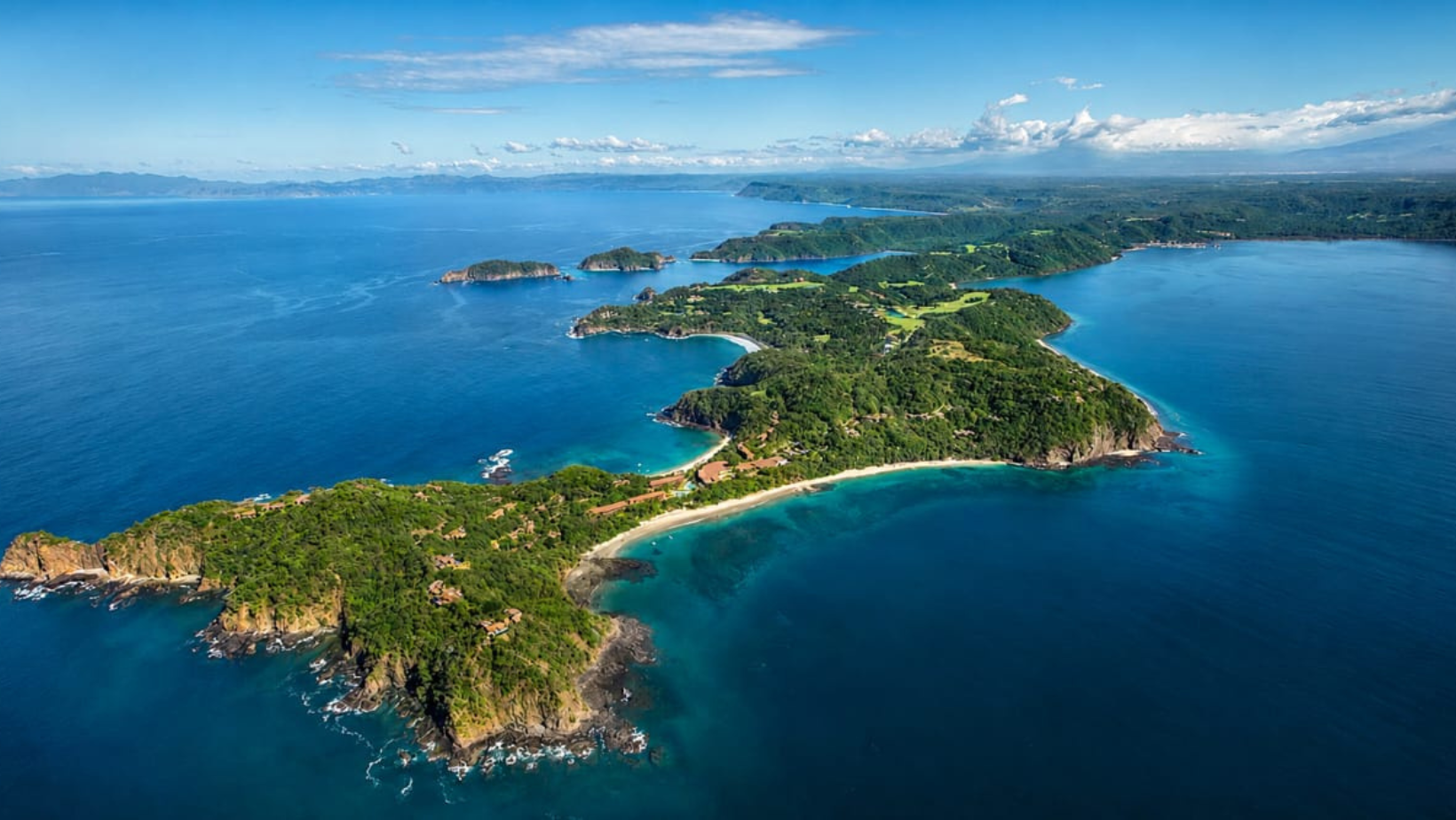
For many people dreaming of Costa Rica, Guanacaste is where the idea becomes real.
It is the province of golden beaches, international schools, surf towns, luxury homes, wellness communities, dry tropical climate, and everyday access to the kind of lifestyle many buyers spend years imagining. It is also one of Costa Rica’s most dynamic real estate regions, with highly distinct micro-markets from Tamarindo and Playa Flamingo to Nosara, Playa Negra, Playas del Coco, Papagayo, Liberia, and the surrounding inland communities.
But moving to Guanacaste in 2026 requires more than falling in love with the beach.
The most successful relocations begin with clear expectations: which town fits your lifestyle, what residency pathway may apply, how much daily life really costs, where schools and healthcare are located, whether you should rent or buy first, and what type of real estate decision makes sense for your long-term goals.
At Blue Water Properties, we help clients navigate those questions every day. Our team lives and works throughout Costa Rica’s North Pacific, and our role is not just to show homes. It is to help you understand life here with honesty, local context, and practical guidance.
Here is what expats, families, retirees, and lifestyle investors should know before moving to Guanacaste in 2026.
Why Guanacaste Continues to Attract Expats in 2026
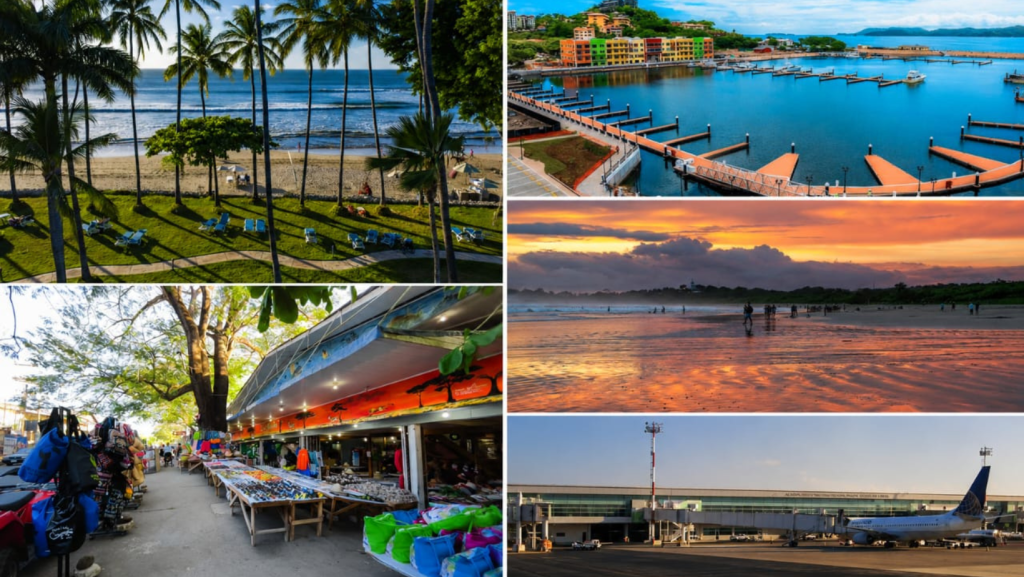
Guanacaste remains one of Costa Rica’s strongest relocation destinations because it offers a rare combination: beach lifestyle, expanding private services, an established expat community, strong real estate demand, and convenient access through Liberia International Airport.
For North American and European buyers especially, that airport access matters. It makes scouting trips easier, simplifies visits from family, and supports the second-home and vacation-rental markets that have helped shape many of Guanacaste’s coastal communities.
Guanacaste is also known as one of Costa Rica’s driest regions, with a longer sunny season than many other parts of the country. That climate is a major lifestyle draw, especially for retirees, beach lovers, and families looking for more outdoor time. It also means practical planning is important: air-conditioning costs, water reliability, landscaping, and seasonal changes should all be part of your relocation decision.
In 2026, the most important thing to understand is that Guanacaste is not one single market. It is a collection of very different lifestyle zones. Tamarindo is not Nosara. Playa Flamingo is not Playas del Coco. Liberia is not Playa Negra. Each area has its own rhythm, price point, infrastructure, schools, rental market, and community feel.
That is why hyper-local guidance matters.
Residency and Visa Considerations in 2026
Before moving to Costa Rica, it is important to understand that tourist status and legal residency are not the same thing.
Many people begin with a scouting trip or a longer stay as tourists. Others explore residency categories such as Pensionado, Rentista, Inversionista, or the digital nomad stay category. Costa Rica’s Law 10008 created a framework for remote workers and service providers who work internationally, while Law 9996 addresses investors, rentistas, and pensionados.
For real estate buyers, the Inversionista category is often part of the conversation. Current research confirms that Costa Rica’s investor framework includes a qualifying investment threshold of US$150,000, and the regulation applies to categories including investors, rentistas, and pensionados.
That said, immigration rules, document requirements, fees, apostilles, translations, and timelines can change. Before making decisions, buyers should speak with a qualified Costa Rican immigration attorney and confirm requirements directly with the appropriate government offices.
At a practical level, most relocation plans should include:
- A realistic timeline for gathering apostilled documents
- A clear understanding of which visa or residency category fits your situation
- Legal guidance before purchasing property for residency purposes
- Planning for dependents, healthcare enrollment, and renewal requirements
- A backup plan if processing takes longer than expected
The best advice is simple: do not leave immigration planning until the last minute.
Should You Rent or Buy First?
For most first-time movers to Guanacaste, renting first is often the smartest approach. The region is made up of distinct micro-markets, and the right fit depends on your lifestyle, schools, healthcare needs, commute, beach access, road conditions, and long-term goals.
A rental period gives you time to compare areas like Tamarindo, Flamingo, Nosara, Playa Negra, Playas del Coco, and Liberia before committing to a purchase. Families should consider school location, retirees may prioritize healthcare and convenience, and investors should evaluate rental demand, property management, and resale potential.
Our recommendation: spend real time in the area before buying, or work with a hyper-local advisor who can help you understand each community’s tradeoffs clearly.
Cost of Living in Guanacaste in 2026
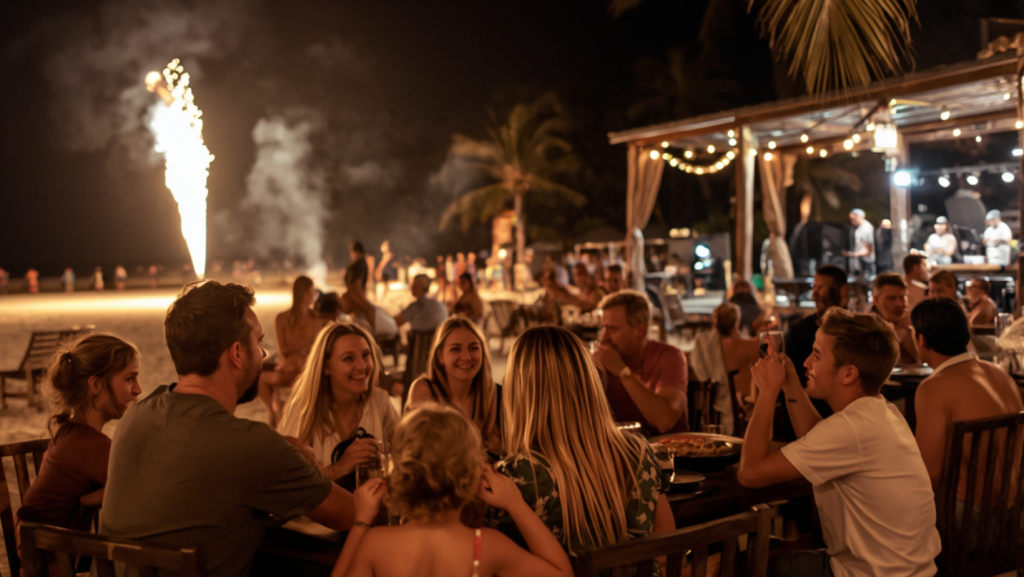
The cost of living in Guanacaste depends on where and how you live. Premium beach towns like Tamarindo, Flamingo, and Nosara typically come with higher housing, dining, grocery, and utility costs, while inland areas such as Liberia, Santa Cruz, and Nicoya can offer more practical pricing.
The biggest expenses are usually housing, transportation, air-conditioning, private healthcare, imported groceries, property maintenance, and private school tuition for families.
As a general planning range, single expats may start in the low-to-mid US$2,000s per month, while couples and families should budget higher, especially if they need more space, private insurance, or international schooling. The key is choosing a location and property that match your lifestyle, not just your dream view.
Healthcare in Guanacaste
Healthcare access is one of Guanacaste’s growing strengths, especially for retirees and families planning a move.
Costa Rica offers public healthcare through the Caja Costarricense de Seguro Social, known as CCSS or Caja, while many expats also use private insurance or private clinics for added convenience.
In Guanacaste, Liberia and Nicoya serve as important public healthcare hubs, and private medical access continues to expand in areas such as Huacas, Flamingo, Brasilito, Potrero, and Tamarindo.
Before choosing where to live, it is smart to consider nearby clinics, pharmacies, emergency care, and hospital access—especially if healthcare convenience is a priority.
Schools for Expat Families
For families, school choice is one of the most important parts of relocating to Guanacaste.
The Tamarindo–Brasilito–Flamingo corridor and Nosara offer some of the province’s most recognized private and international-style schools. Before choosing a home, families should consider admissions timelines, tuition, curriculum, language support, and commute times during both dry and rainy season.
In most cases, the best approach is to shortlist schools first, then choose the neighborhood and property that best support your family’s daily life.
Safety, Infrastructure, and Daily Life
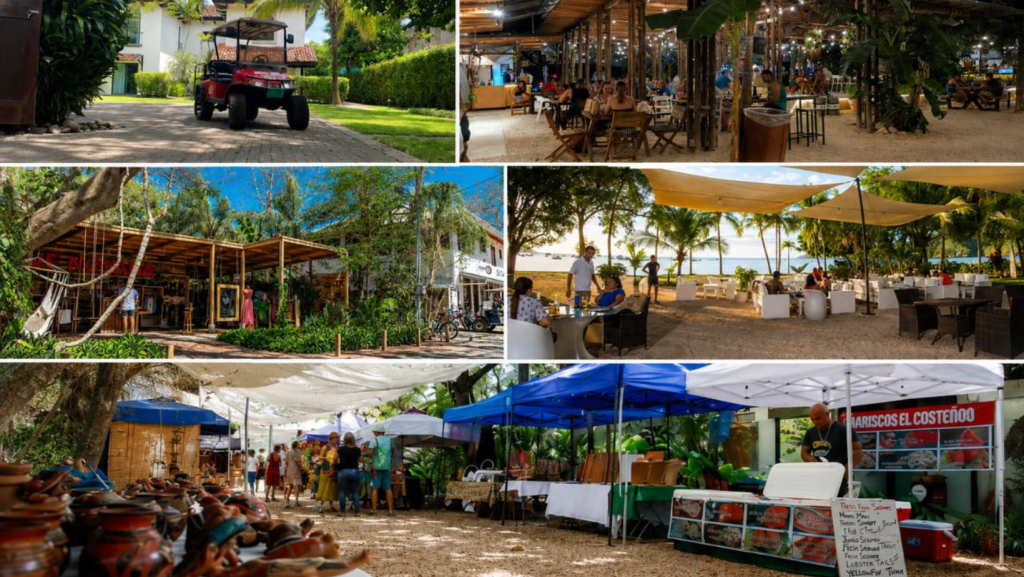
Guanacaste is welcoming and highly livable, but relocating here is easier with realistic expectations.
Daily life may include unpaved roads, seasonal dust, heavy rain during green season, wildlife, occasional service interruptions, and slower administrative processes. Internet access has improved, but remote workers should confirm service at the exact property before committing.
Some areas of Tamarindo and Playas del Coco offer partial walkability, but most of Guanacaste is easier with a car. The best relocation decisions come from understanding the day-to-day reality of each community before choosing where to live.
Real Estate Tips Before Buying in Guanacaste
Foreigners can buy property in Costa Rica, but every purchase should involve proper due diligence.
Before buying, make sure you understand:
- Clear title and registered ownership
- Whether the property is titled land or concession land
- Water availability and documentation
- HOA rules and financial health
- Access roads and maintenance responsibilities
- Zoning and permitted use
- Rental restrictions
- Property taxes and closing costs
- Construction quality
- Property management needs
- Long-term resale potential
This is where local representation matters. A property may look beautiful online, but the true value is in the details: the neighborhood, access, water, view protection, legal structure, maintenance history, and market demand.
At Blue Water Properties, we believe in full truths, including the hard truths. If a property is not the right fit, our clients deserve to know that before they buy.
A Practical Moving Checklist for 2026
If you are planning a move to Guanacaste in 2026, use this checklist as a starting point:
- Visit more than one town. Do not assume one beach town represents all of Guanacaste.
- Define your non-negotiables. School, healthcare, walkability, budget, beach access, rental income, and airport access should be ranked clearly.
- Speak with an immigration attorney early. Residency planning affects timelines, documents, and sometimes property strategy.
- Rent before buying if you are unsure. Guanacaste rewards patience and local knowledge.
- Map your daily life. Grocery stores, clinics, schools, gyms, beaches, restaurants, and road conditions matter.
- Understand seasonal differences. Dry season, green season, tourism season, and rental season can feel very different.
- Build a local support team. Real estate advisor, attorney, accountant, insurance broker, school admissions contact, property manager, and healthcare providers.
- Do not buy only for the view. Views are valuable, but access, water, legal structure, and lifestyle fit matter just as much.
Final Thoughts: Moving to Guanacaste Is a Lifestyle Decision First
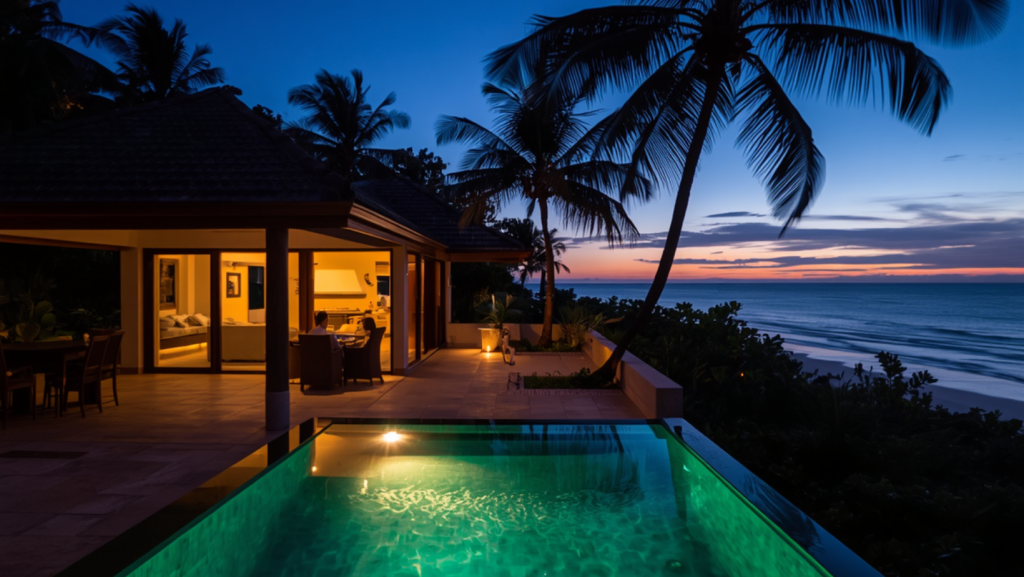
Moving to Guanacaste is not just a real estate decision. It is a lifestyle decision, a family decision, a financial decision, and often a deeply personal one.
For some, the right fit is a luxury ocean-view home near Playa Flamingo. For others, it is a surf-focused lifestyle in Nosara, a family-friendly base near Tamarindo, a quiet retreat near Playa Negra, a practical condo in Playas del Coco, or an inland home near Liberia with easier access to healthcare and services.
There is no single “best” place to live in Guanacaste. There is only the best place for you.
And that is where Blue Water Properties can help.
As Costa Rica’s North Pacific real estate specialists, our team brings hyper-local knowledge, bilingual and bicultural guidance, and years of experience helping international buyers, families, retirees, and investors make confident decisions. Whether you are just beginning your research or ready to explore homes in person, we are here to listen, guide, and help you understand your options clearly.
Thinking about moving to Guanacaste in 2026? Contact Blue Water Properties to connect with a local real estate expert who understands your goals, your lifestyle, and the communities you are considering.